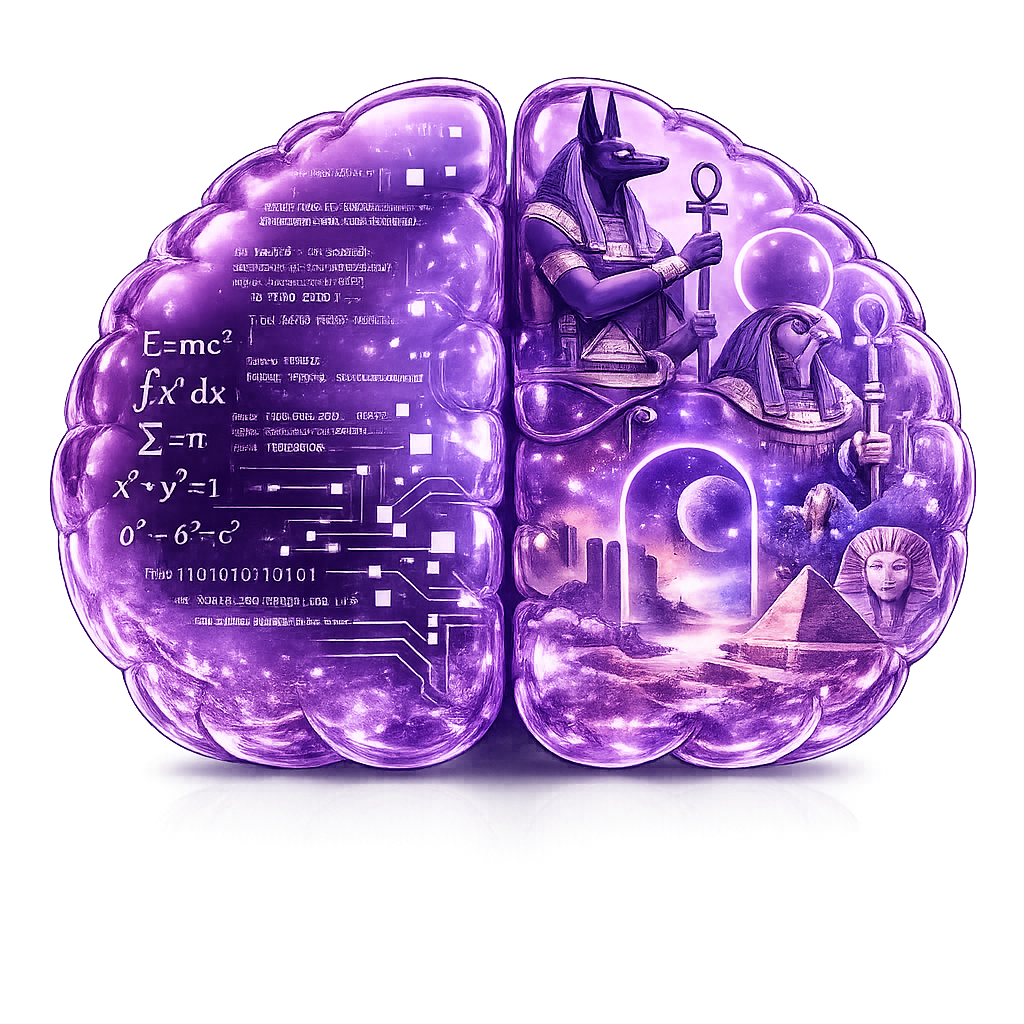
Maya — The Veil of Appearance
The Concept
Maya (Sanskrit: माया) — perhaps the most misunderstood concept in Indian philosophy. Usually translated as “illusion,” but this is imprecise to the point of distortion. Maya does not mean the world is unreal. It means the world is not what it appears to be — it is an appearance (vivarta) superimposed upon a deeper reality (Brahman), just as a snake might be superimposed upon a rope in dim light.
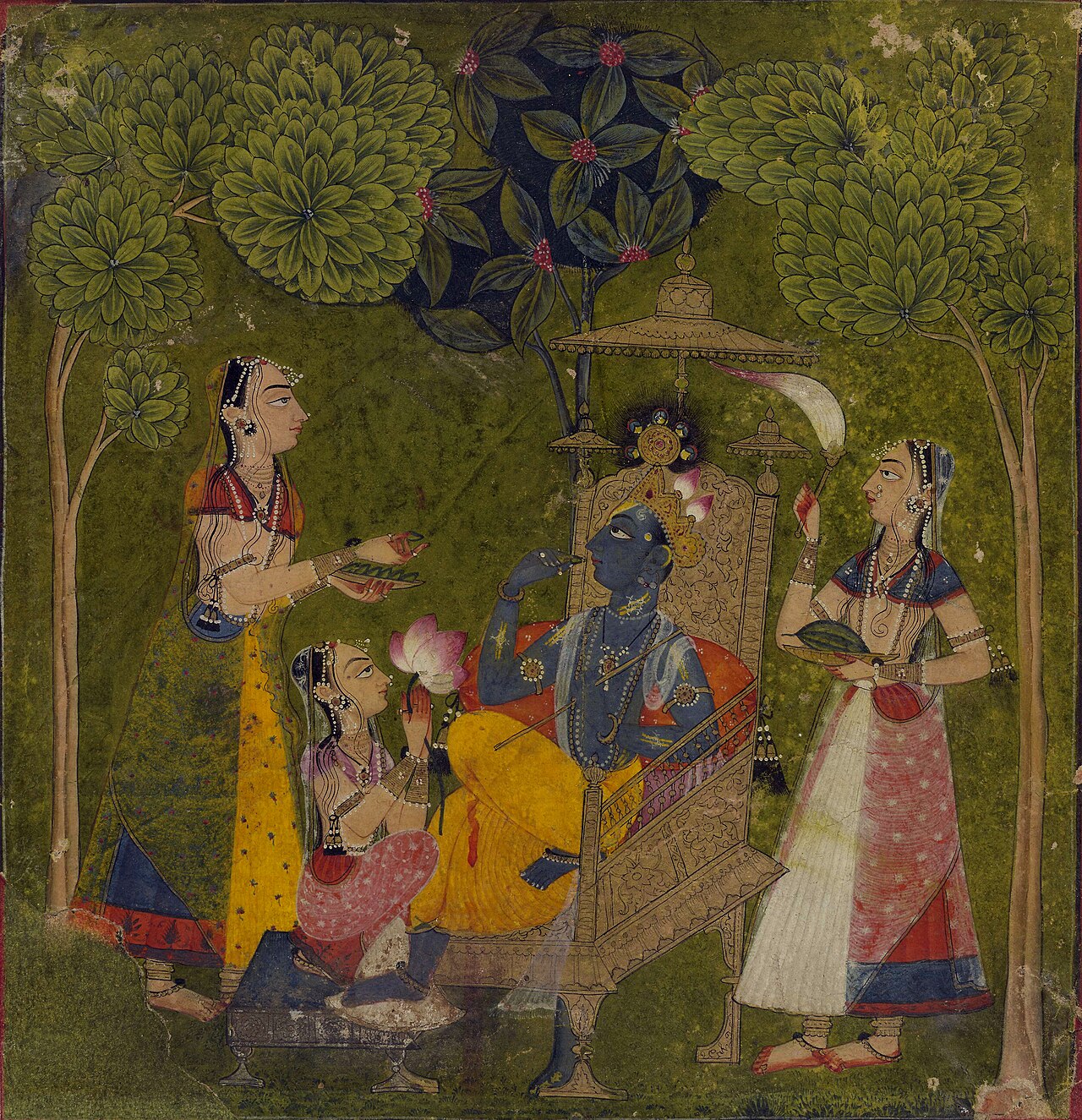
The snake is genuinely frightening. The fear is real. The experience is real. But the snake as snake does not exist — there is only the rope, misperceived. Maya is the cosmic dim light that makes the misperception possible.
Maya in Advaita Vedanta
In advaita-vedanta, maya operates through two powers:
Avarana (Concealing Power)
Maya conceals the true nature of Brahman — like clouds concealing the sun. The sun is always shining; the concealment is apparent, not actual. Similarly, Brahman (god-as-pure-awareness) is always present as the substrate of all experience, but maya prevents this from being recognized.
Vikshepa (Projecting Power)
Maya projects the apparent world of multiplicity onto the undifferentiated Brahman — like a movie projected onto a screen. The screen is unchanged by the movie; the characters in the movie are real as experience but not as independent entities.
Together: concealment + projection = the world as ordinarily experienced. The nature of reality is hidden (avarana) and a false world is projected in its place (vikshepa).
Maya and the Dream Analogy
the-dream-analogy is the classic Advaitic illustration of maya:
- In a dream, the dreamer simultaneously is every character and landscape
- From inside the dream, everything feels absolutely real
- Waking does not destroy the dream — it reveals what the dream always was: consciousness appearing as form
- The “waking world” is itself a subtler dream — real within its own order, but not ultimately independent of the awareness in which it appears
Gaudapada (the teacher of ramana-maharshi’s lineage, several generations earlier) used the dream argument systematically in his Mandukya Karika to demonstrate that waking experience and dream experience have the same ontological status: both are appearances within consciousness.
Maya Across Traditions
In Hermeticism
The corpus-hermeticum does not use the word maya, but the concept is present: the world is sustained by divine Mind (nous) as a “second God” — real and beautiful, but not independently real. The world is God’s living image, not an autonomous entity. The Hermetic Man who “fell in love with his own reflection in Nature” is entering the domain of maya — enchanted by appearance.
In Gnosticism
sethian-gnosticism offers the darkest version of maya: the material world is not a neutral appearance but a deliberate prison constructed by the demiurge to trap the divine-spark. The Gnostic maya is not natural but engineered — maintained by the archons and their counterfeit spirit.
valentinian-gnosticism is more nuanced: the material world is the solidified residue of sophia’s emotional confusion — real in its own way, but born from ignorance rather than divine intention.
In Buddhism
Sunyata (emptiness) and pratityasamutpada (dependent origination) — all phenomena are empty of inherent existence, arising in dependence on conditions. Not nihilism (nothing exists) but the recognition that nothing exists independently. The parallel with Advaitic maya is close but not identical.
The Practical Significance
Understanding maya is not a license for detachment from the world. The recognition that the world is appearance does not diminish its experiential reality. Pain is still pain. Love is still love. The difference is in identification: the sage who sees through maya does not cease to engage with the world but ceases to mistake the world for the whole of reality.
“The person who integrates their shadow doesn’t become darker; they become fuller” (shadow-integration) — similarly, the person who sees through maya doesn’t become indifferent; they become more present, more alive, more capable of love-as-consequence-of-gnosis.
Connections
- advaita-vedanta — the tradition where maya is most fully theorized
- the-dream-analogy — the classic illustration of maya
- the-veil-of-forgetting — maya as the mechanism of cosmic forgetting
- god-as-pure-awareness — the reality concealed by maya
- ignorance-as-root-evil — avidya (ignorance) as the root of maya
- ramana-maharshi — “The Self is always already realized” — maya is not an obstacle but a misunderstanding
- hermeticism — the world as God’s image, not an independent entity
- gnosticism — the darkest reading of cosmic appearance
- treatise-on-resurrection — “the world is an illusion, rather than the resurrection”
- love-as-consequence-of-gnosis — seeing through maya deepens engagement, not detachment