The Demiurge — The Blind Creator
The Concept
Demiurge (Greek: δημιουργός, “craftsman” or “artisan”) — in gnosticism, the ignorant or malicious creator-god who fashioned the material world. He is not the true God — he is the offspring of sophia’s error, a being who mistakes his limited domain for the totality of existence.
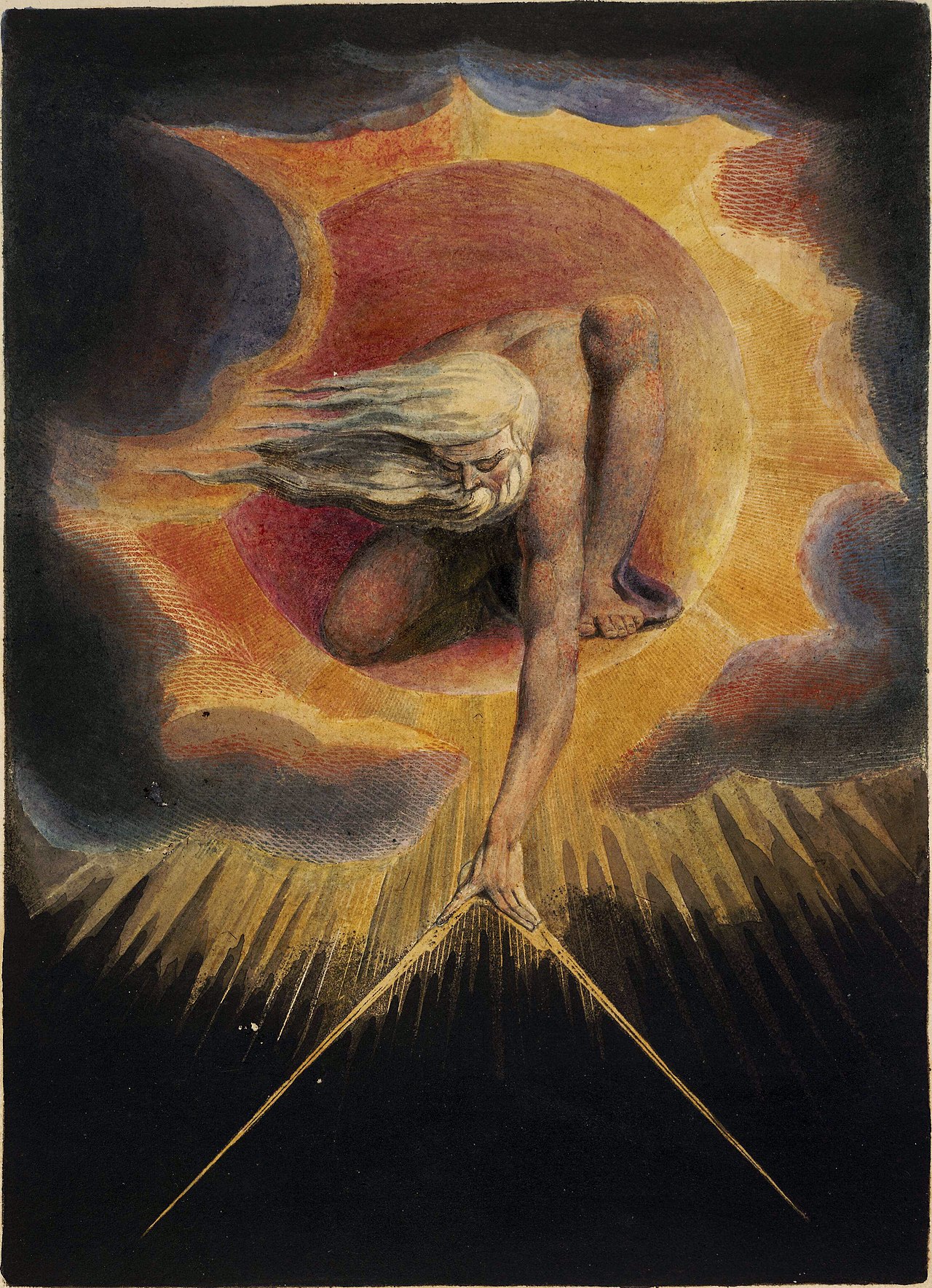
The Demiurge’s declaration — “I am God and there is no other God beside me” — is the defining statement of Gnostic theology: the god of this world is a pretender. The true God is the invisible, unknowable Father above and beyond the Demiurge’s comprehension.
Sethian Demiurge — Yaldabaoth
In sethian-gnosticism (especially the secret-book-of-john), the Demiurge is called Yaldabaoth — described as a lion-faced serpent with blazing eyes. He is:
- Born from Sophia’s unbalanced desire, without the consent of the Spirit
- Cast out of the pleroma in shame
- Ignorant of all realms above him
- Arrogant — declaring himself the only God
- Actively hostile — he and his archons deliberately keep humanity trapped in ignorance
Yaldabaoth is not merely a flawed creator but a cosmic tyrant. He creates the “counterfeit spirit” to dull the divine-spark and prevent humanity from remembering its true origin. See: the-veil-of-forgetting.
Valentinian Demiurge — The Ignorant Craftsman
In valentinian-gnosticism, the Demiurge is a subtler figure:
- Still ignorant of the realms above him
- But not deliberately hostile
- He creates the world sincerely, doing the best he can with materials he doesn’t fully understand
- He corresponds to the God of the Old Testament — powerful, creative, concerned with justice and law, but lacking knowledge of the transcendent Father
- He is potentially redeemable — when he learns of the higher realms, he is not angry but awed
This is a more generous reading that preserves some value in the material world and in conventional religion. See: valentinus.
The Demiurge in Plato
The concept originates in Plato’s Timaeus, where the Demiurge is a benevolent craftsman who fashions the material world according to the eternal Forms. The Platonic Demiurge is good — he creates the best possible world from the available material.
The Gnostic reversal is radical: the craftsman is no longer good but blind. The world he creates is no longer the best possible image of the Forms but a prison constructed from ignorance. This reversal is one of the most distinctive moves in the history of Western philosophy.
The Hermetic Alternative
hermeticism rejects the Gnostic Demiurge entirely. In the corpus-hermeticum, the creator God is the supreme God (or his direct expression). The world is not a prison but a “second God” — a beautiful, living image of the divine. Man’s descent into matter is voluntary, driven by love and curiosity, not imposed by a hostile power.
This is the fundamental divergence explored in hermeticism-vs-gnosticism.
Psychological Reading
carl-jung interpreted the Demiurge as the ego — the part of the psyche that believes itself to be the whole, that declares “I am the center” without awareness of the vast unconscious (the true Self/Pleroma) beneath and behind it. The ego’s “I am God” is not megalomania but the natural delusion of a limited awareness that has not yet encountered its own depths.
Individuation — the Jungian process of integrating the unconscious — is the psychological equivalent of the Demiurge learning about the realms above him. See: jung-and-the-shadow.
Connections
- gnosticism — the tradition in which this concept is central
- sethian-gnosticism — Yaldabaoth as cosmic tyrant
- valentinian-gnosticism — the ignorant but sincere craftsman
- sophia — whose fall produces the Demiurge
- archons — the Demiurge’s subordinate rulers
- pleroma — the realm the Demiurge cannot see
- divine-spark — the light trapped against the Demiurge’s will
- secret-book-of-john — the key text describing Yaldabaoth
- hermeticism-vs-gnosticism — the Hermetic rejection of the Demiurge concept
- hermeticism — the creator as the true God, not a blind craftsman
- carl-jung — the Demiurge as ego
- ignorance-as-root-evil — the Demiurge as the archetype of ignorance