
The Hero’s Journey
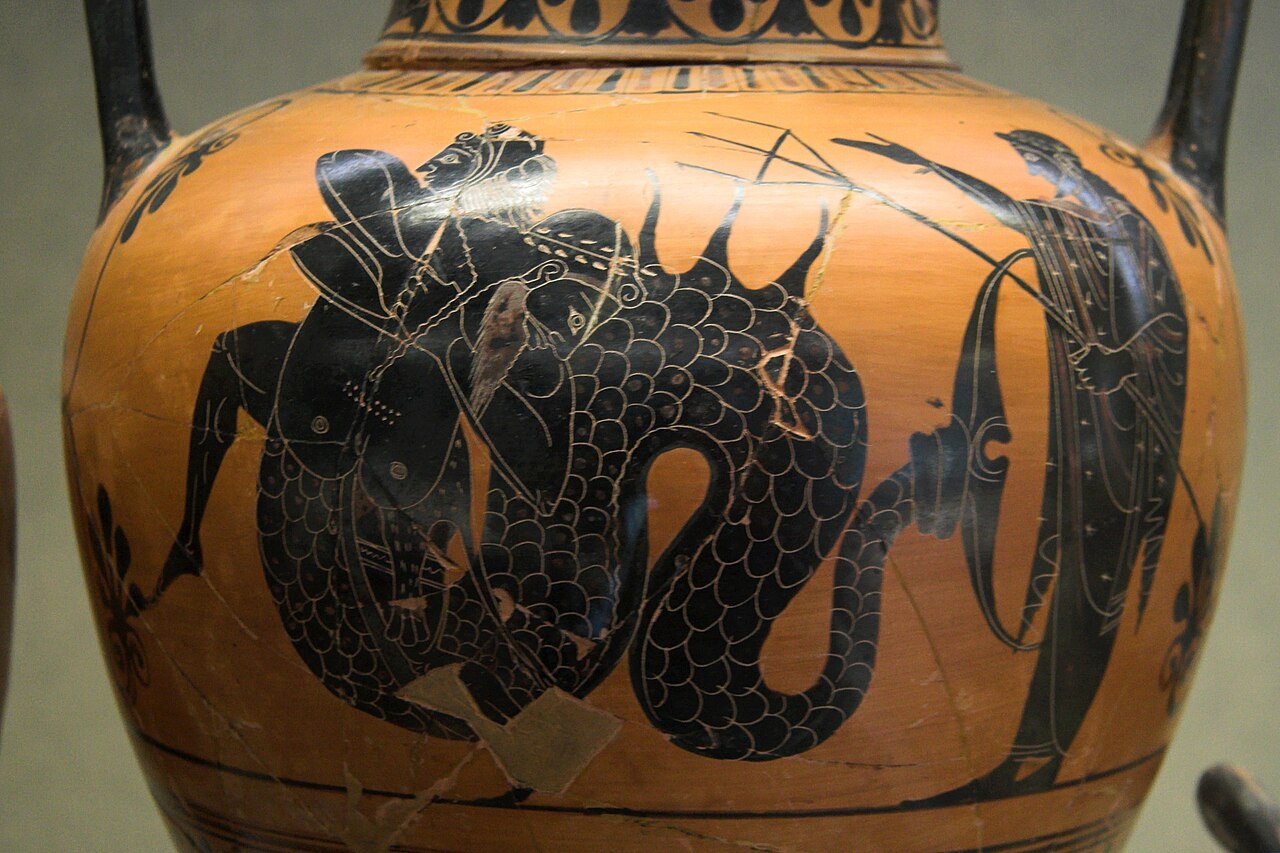
Joseph Campbell’s monomyth — the hero’s journey — describes a universal narrative pattern: departure from the ordinary world, initiation through trials and transformation, and return with a boon for the community. Campbell distilled it from thousands of myths across every culture, but its deepest resonance is not literary but cosmological. It is the story of the soul. The Hermetic descent of Man through the seven spheres into matter, the Gnostic exile of the divine spark in a foreign land, the Hymn of the Pearl in the Acts of Thomas, the Prodigal Son who squanders his inheritance in a far country and then remembers his father’s house — these are all instances of the same archetypal pattern. The journey is always, ultimately, a circle: you leave home, you forget you left, you remember, you return.
The three phases map precisely onto the mystical path. Departure corresponds to the soul’s descent into incarnation and the forgetting that accompanies it — the hero crosses a threshold and enters a world where the old rules no longer apply. Initiation is the long middle: suffering, testing, encounter with the shadow, the meeting with the goddess or the atonement with the father. In spiritual terms, this is the period of seeking, of dark nights, of gnosis arriving in fragments. The belly of the whale is the ego death that precedes transformation. And return is integration — bringing the treasure back, translating the ineffable into something that can be lived and communicated. The bodhisattva who returns to the marketplace with helping hands. The Hermetic initiate who, having been regenerated, is sent back to teach.
What Campbell saw — and what the perennial philosophy confirms — is that this pattern is not merely a narrative convention but a description of the structure of consciousness itself. The soul descends into limitation not as punishment but as the necessary condition for a certain kind of knowing. You cannot know light without darkness, home without exile, wholeness without fragmentation. The journey is not an unfortunate detour; it is the point. The circle must be completed. The hero must return, because the treasure gained in the underworld is meaningless if it stays there.
Key Themes
- Departure, Initiation, Return — the three-phase structure of all transformative journeys
- The soul’s descent as departure — incarnation as the crossing of the threshold
- Trial as initiation — suffering and seeking as the necessary middle
- The belly of the whale — ego death as the turning point
- Return and integration — bringing gnosis back into embodied life
- The circle — the journey always leads back to where it started, but transformed
Connections
- the-veil-of-forgetting — departure is always accompanied by forgetting
- regeneration — the Hermetic initiation as the transformative center of the journey
- song-of-the-pearl — one of the purest mythic expressions of the soul’s journey
- shadow-integration — meeting the shadow as the hero’s central trial
- carl-jung — the psychological dimension of the monomyth
- the-divine-self — the treasure at the center of the labyrinth: you
Further Reading
- Joseph Campbell, The Hero with a Thousand Faces — the original articulation of the monomyth
- Joseph Campbell, The Power of Myth (with Bill Moyers) — accessible introduction
- Hymn of the Pearl (Acts of Thomas, ch. 108-113) — the Gnostic hero’s journey
- Luke 15:11-32 — the Parable of the Prodigal Son