On the Mysteries (De Mysteriis) — Iamblichus
Full text: On the Mysteries - Iamblichus
Overview
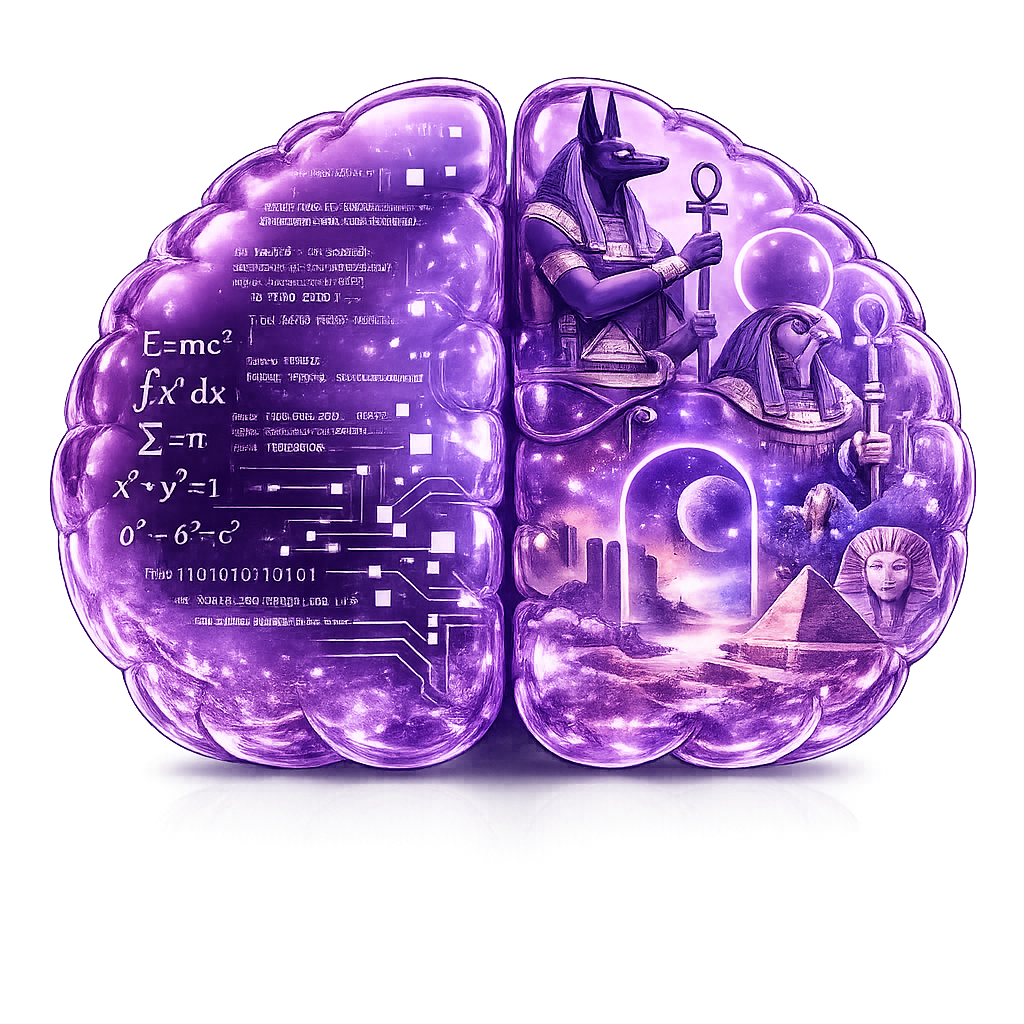
“On the Mysteries” is Iamblichus’s revolutionary defense of theurgy — the practice of ritual union with the gods — against the purely intellectual and contemplative approach advocated by his predecessor Porphyry. Written as a response to Porphyry’s “Letter to Anebo” (which questioned the efficacy and philosophical coherence of religious ritual), the work is cast as a reply from the Egyptian priest Abamon, allowing Iamblichus to speak with the authority of the ancient Egyptian priestly tradition. The central argument is radical: the human intellect alone cannot reach the divine. The soul, even at its highest philosophical pitch, remains a creature — it cannot bridge the ontological gap between itself and the gods through its own power. What is needed is a descent of divine power into matter through sacred symbols, divine names, and ritual acts that the gods themselves have established.
This is not mere superstition dressed in philosophical language. Iamblichus develops a sophisticated theory of sympatheia — the network of correspondences linking every level of reality, from the highest gods to the lowest minerals, through which divine power flows. Certain stones, plants, animals, sounds, and gestures are “sunthemata” (divine tokens or signatures) that the gods have sown throughout the material world. Theurgic ritual does not compel the gods — it aligns the practitioner with these pre-established divine signatures, creating a channel through which divine illumination can descend. The theurgist does not rise to the gods so much as make himself a fit vessel for the gods to inhabit. This is a fundamentally different model than Plotinus’s solitary intellectual ascent, and it would prove enormously influential.
The implications of Iamblichus’s position ripple through the entire subsequent history of Western esotericism. His insistence that matter can be a vehicle for divine power — that the sacred is not opposed to the material but works through it — provided the philosophical foundation for Hermetic magic, Renaissance theurgy, and the entire tradition of ceremonial practice. The Hermetic emphasis on the power of divine names, the alchemical insistence that spiritual transformation works through physical substances, and the broader Western magical tradition’s theory of correspondences all trace their philosophical legitimacy to this text. Thomas Taylor’s translation, while challenging, preserves the density and precision of Iamblichus’s argumentation.
Key Themes
- Theurgy vs. theology — ritual action as superior to philosophical contemplation for achieving divine union
- Sympatheia and correspondences — the network of divine signatures linking all levels of reality
- Sunthemata — divine tokens embedded in matter by the gods
- The limits of intellect — the human mind cannot bridge the gap to the divine unaided
- Matter as vehicle of the sacred — the material world is not opposed to divinity but can transmit it
- Divine names and invocations — sound and language as instruments of theurgic power
- Egyptian priestly wisdom — the authority of ancient religious tradition over Greek philosophical speculation
- Hierarchy of divine beings — gods, angels, daemons, heroes, and their distinct modes of manifestation
Historical Context
Iamblichus (~245-325 CE) was born in Chalcis, Syria, studied under Porphyry, and eventually broke with his teacher’s purely philosophical approach to establish a school at Apamea that combined Neoplatonic metaphysics with theurgic practice. His integration of ritual into philosophical life transformed Neoplatonism from an elite intellectual pursuit into a complete way of life that included prayer, invocation, and sacred ceremony. The Emperor Julian (“the Apostate”) was deeply influenced by Iamblichean theurgy in his attempt to revive paganism. After Julian’s death and the triumph of Christianity, Iamblichus’s theurgic Neoplatonism continued in the schools of Athens and Alexandria, culminating in Proclus (412-485 CE), who synthesized the entire tradition. The closing of the Athenian Academy by Justinian in 529 CE drove the last Neoplatonists into Persia, from where their texts entered the Islamic philosophical tradition.
Who Should Read This
Essential reading for anyone interested in the philosophical foundations of Western esotericism, magical practice, or the relationship between ritual and philosophy. This is the text where the Western tradition first systematically argues that spiritual realization requires not just thinking but doing — that the body and the material world are not obstacles to be overcome but instruments to be sanctified. Readers interested in Hermeticism, alchemy, Renaissance magic, or the theory of correspondences will find their intellectual roots here. Also valuable for anyone interested in the dialogue between Greek philosophy and Egyptian religion.
Connections
- neoplatonism — the philosophical tradition Iamblichus transformed
- hermeticism — inherits the theory of correspondences and divine names
- alchemy — draws on the idea that spiritual transformation works through material processes
Further Reading
The full text is available at On the Mysteries - Iamblichus. For a modern scholarly translation with extensive commentary, see Emma C. Clarke, John M. Dillon, and Jackson P. Hershbell’s translation (Society of Biblical Literature, 2003). Gregory Shaw’s Theurgy and the Soul is the definitive study of Iamblichus’s theurgic philosophy.